
Dental Implant Treatment

What Is Dental Implant Treatment?

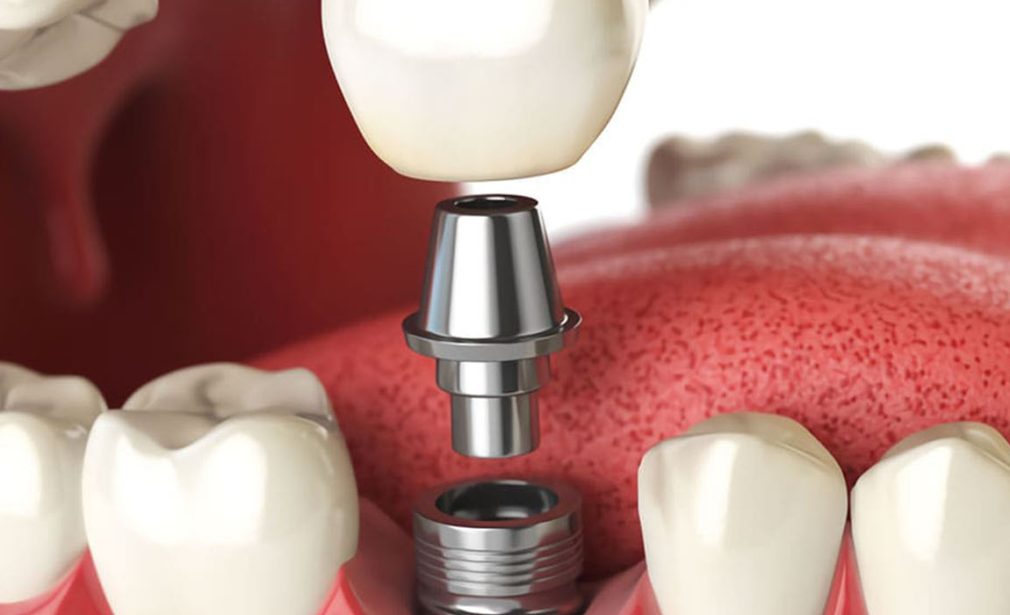
Dental implants are treatments that provide a permanent and durable solution for replacing missing teeth. Implants made of titanium are placed into the jawbone and integrate with the bone, functioning as artificial tooth roots. With the prosthetic tooth placed on top, results that are closest to natural teeth are achieved. Dental implant treatment offers advantages both aesthetically and functionally. Chewing problems, speech disorders, and aesthetic concerns caused by missing teeth can be eliminated with dental implants.

Stages of Dental Implant Treatment

Dental implant treatment generally consists of several stages. First, an evaluation is performed to determine whether the jaw structure is suitable for an implant. During this assessment, dental X-rays are taken and the condition of the jawbone is examined. If the jawbone is not sufficiently strong, additional treatments such as bone grafting may be required.

In the next stage, the titanium implant is surgically placed into the jawbone. A healing period of approximately 3 to 6 months is usually required for the implant to fuse with the bone. During this time, no prosthetic tooth is placed on the implant. Once the implant has fully healed, the prosthetic tooth—referred to as the superstructure—is attached. This tooth looks and functions like a natural tooth.

Who Is a Suitable Candidate for Dental Implant Treatment?

Individuals of all ages who are in good general health, have sufficient jawbone structure, and maintain proper oral hygiene may be suitable candidates for dental implant treatment. It is an ideal solution especially for individuals without chronic illnesses who have completed bone development. The dentist carefully evaluates the patient’s gum health and jaw structure. In cases where the bone structure is insufficient, bone augmentation procedures may be required before treatment.

Advantages of Dental Implant Treatment

One of the greatest advantages of dental implant treatment is its permanence. While other prosthetic solutions may wear out over time or require replacement, implants offer long-term durability and can last a lifetime. In addition, they are aesthetically indistinguishable from natural teeth. Implants fully restore chewing function and help increase self-confidence. Another important advantage is that they can be applied without damaging neighboring teeth.

After implant treatment, maintaining good oral hygiene is essential. Regular tooth brushing and flossing should not be neglected to ensure implants remain healthy for many years. Periodic follow-up visits recommended by the dentist are also crucial for long-term success.