
Teeth Whitening

Teeth whitening is an aesthetic procedure performed to lighten the natural color of the teeth and achieve a brighter smile. Over time, factors such as food residues, beverage stains, smoking, and aging can cause teeth to yellow or discolor. Teeth whitening helps remove these stains and discolorations, resulting in a whiter and more vibrant appearance.

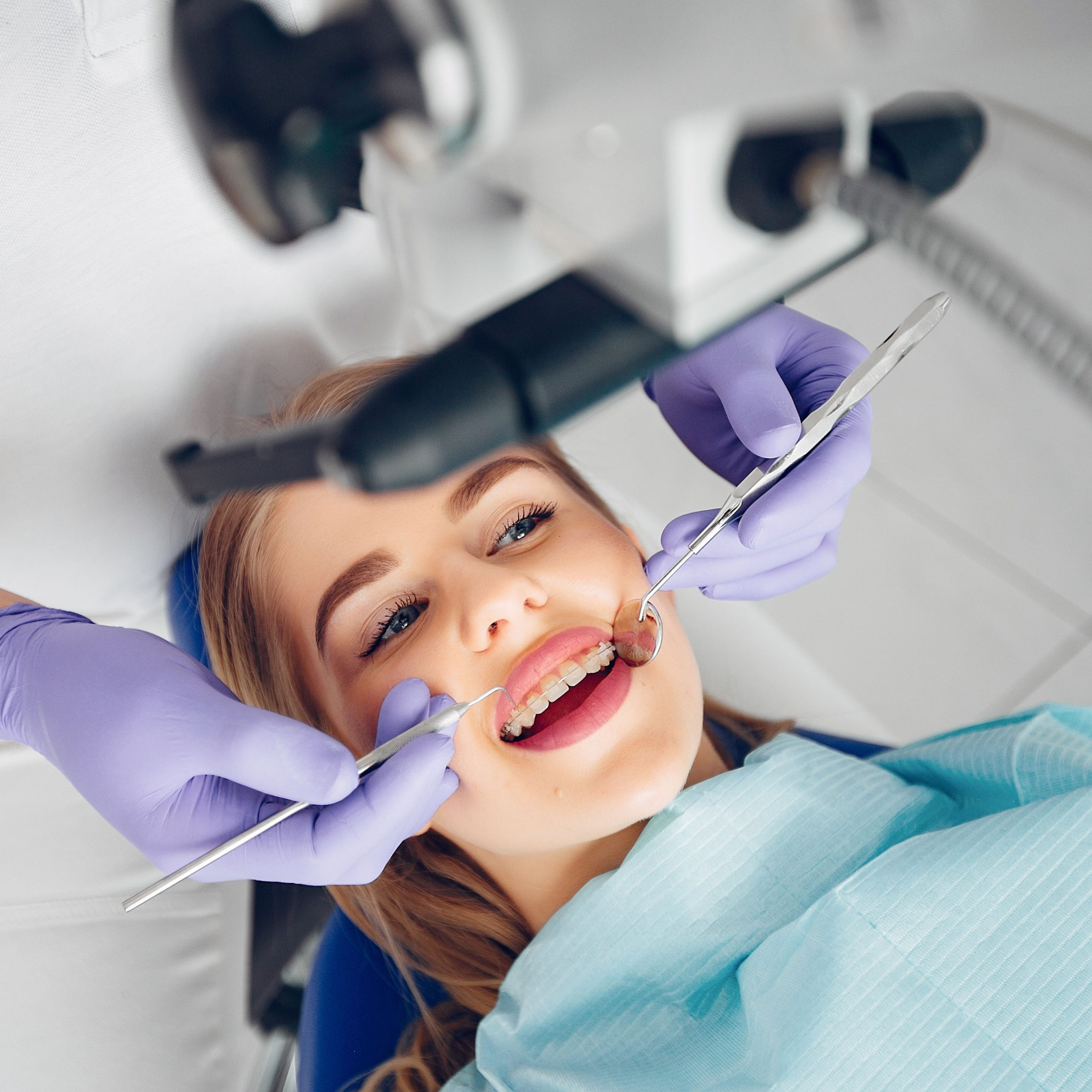
Teeth whitening can be performed using professional methods applied by a dentist or with special at-home whitening kits. Professional whitening is usually carried out in a clinical setting and provides faster and more effective results. During this procedure, a whitening gel is applied to the teeth and activated with laser or special light. The light enhances the effectiveness of the whitening agents, allowing quicker results.

At-home whitening is typically done using lower-concentration whitening gels and custom-made application trays. When used according to the dentist’s instructions, this method can be effective; however, it generally takes longer to achieve results compared to professional treatments.

Teeth whitening is safe, but some individuals may experience tooth sensitivity or mild gum irritation. These effects are usually temporary and subside after treatment. Whitening procedures do not affect restorations such as fillings, crowns, or porcelain veneers, so alternative aesthetic solutions may be needed for these teeth.

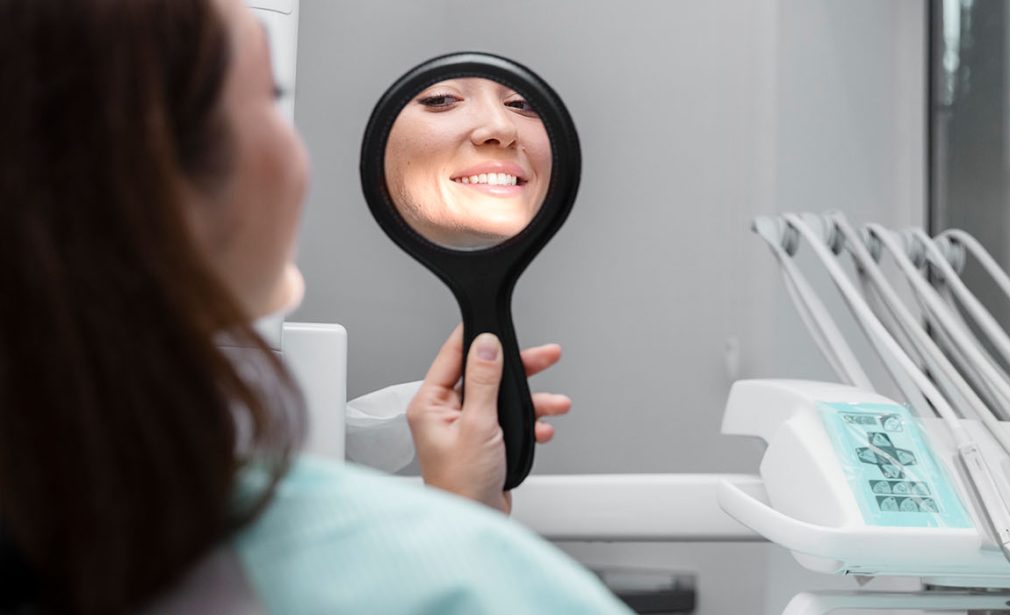
The results of whitening vary from person to person, but teeth are generally observed to become several shades lighter after the procedure. To maintain the results, it is important to practice regular oral care and avoid highly pigmented foods and beverages such as coffee, tea, and wine.

In addition to creating an aesthetically pleasing smile, teeth whitening can also boost self-confidence. However, since each individual’s dental structure and needs are different, it is important to consult with your dentist before the procedure to determine the most suitable whitening method.