

Wisdom Tooth Treatment
Wisdom teeth are the third molars located at the very back of the jaw and usually emerge between the ages of 17 and 25. These teeth do not always erupt properly and can sometimes cause various problems. Unlike other teeth, they may remain impacted or erupt in incorrect positions such as sideways or at an angle due to insufficient space in the jaw. This can lead to pain, swelling, and infections. Wisdom tooth extraction is a commonly applied treatment method to resolve such issues.
Why Do Wisdom Teeth Cause Problems?
In most people, there is not enough space in the jaw for wisdom teeth to erupt properly. As a result, these teeth may remain impacted within the jawbone or only partially erupt. Partially erupted teeth can lead to the accumulation of bacteria and food debris, causing gum inflammation or tooth decay. Additionally, impacted teeth may put pressure on neighboring teeth, disrupting their alignment or leading to the formation of cysts in the jawbone.
How Does the Treatment Process Work?
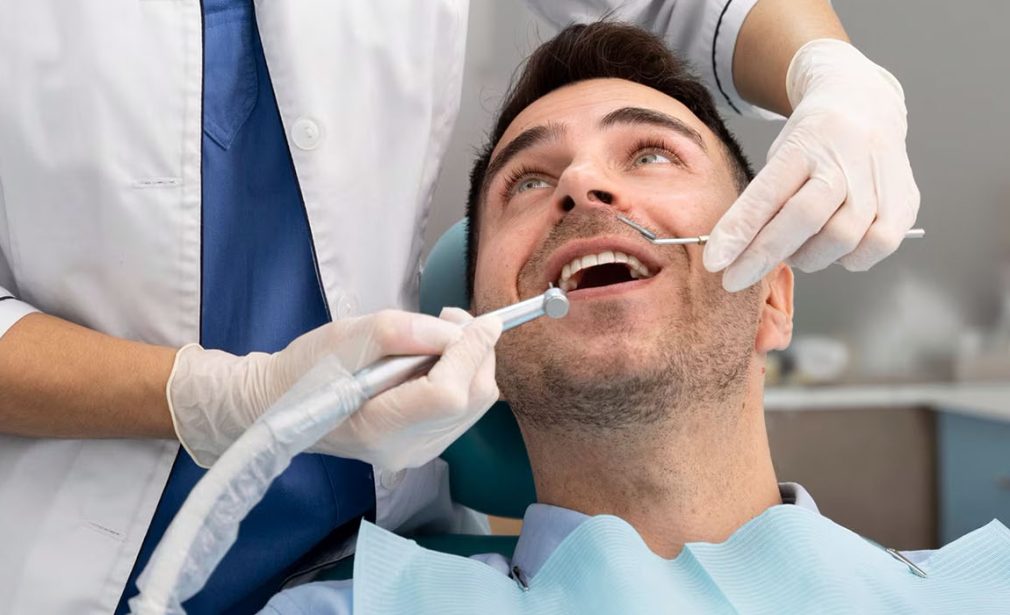
In wisdom tooth treatment, different methods are applied depending on the position of the tooth and the problems it causes. If the tooth is fully impacted and causes discomfort, it may need to be removed through a surgical procedure. The dentist usually determines the position of the tooth with an X-ray and plans the extraction process accordingly. The tooth extraction is performed under local anesthesia, and the patient does not feel any pain during the procedure. After the treatment, the healing process of the area should be carefully monitored.
During the first few days after a surgical extraction, mild pain, swelling, and bleeding may occur. These conditions are generally normal and can be controlled with prescribed painkillers. In addition, it is extremely important to maintain proper oral hygiene during the healing process and to follow the care instructions recommended by the dentist. Consuming liquid foods and avoiding extremely hot or cold foods and beverages can help speed up the healing process.
Is Wisdom Tooth Extraction Mandatory?
Not every wisdom tooth causes problems. In some people, these teeth erupt properly and remain healthy in the mouth. However, in many cases, teeth erupting in incorrect positions or remaining impacted can lead to serious health problems in the long term. For this reason, your dentist may recommend an extraction depending on the condition of the tooth. If there is a risk of infection, gum disease, or damage to other teeth if the tooth is not removed, extraction becomes necessary.
During regular dental check-ups, the condition of wisdom teeth is evaluated, and your dentist can identify the need for treatment in a timely manner. Early intervention in problems is the most effective way to prevent more complex issues.

Book an Appointment

Let’s Perform an Examination